HNOKAY: How To Inspect The Quality Of UHMWPE Sheet
Ultra-High Molecular Weight Polyethylene (UHMWPE) sheets are widely used in various industries due to their exceptional strength, durability, and low friction properties. However, ensuring the quality of these sheets is crucial to guarantee their performance and reliability in applications. Quality testing procedures play a pivotal role in assessing the integrity and functionality of UHMWPE sheets before they are deployed. HNOKAY has a strict product quality inspection process.
First Step: Visual Inspection
The first step in quality testing involves a thorough visual inspection of the UHMWPE sheets. This inspection aims to identify any visible defects such as cracks, scratches, or surface irregularities that may compromise the integrity of the material. Inspectors should carefully examine the entire surface of the sheet, paying close attention to edges and corners where defects are more likely to occur. Any anomalies detected during this inspection should be documented and addressed accordingly.

Step 2: Dimensional Measurements
Precise dimensional measurements are critical for ensuring the uniformity and accuracy of UHMWPE sheets. Using calibrated tools such as calipers or micrometers, inspectors should measure the thickness, width, and length of the sheets at multiple points. Deviations from the specified dimensions can indicate manufacturing inconsistencies or material defects. Additionally, thickness uniformity is particularly important for applications requiring tight tolerances, such as machining or fabrication processes.


Third Step : Mechanical Testing
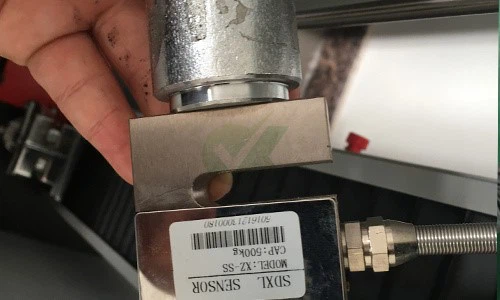
Mechanical testing is conducted to evaluate the mechanical properties of UHMWPE sheets, including tensile strength, impact resistance, and flexural modulus. Tensile testing involves applying a controlled force to the sheet until it fractures, allowing inspectors to determine its tensile strength and elongation at break. Impact testing assesses the sheet's ability to withstand sudden impacts or shocks, simulating real-world operating conditions. Flexural testing measures the sheet's resistance to bending or deformation under load, providing insights into its structural integrity.


Last Step: Electrostatic Discharge (ESD) Testing
UHMWPE sheets are often used in environments where electrostatic charges can accumulate, posing a risk of damage to sensitive electronic components or ignition of flammable materials. ESD testing evaluates the sheet's ability to dissipate static electricity safely and effectively.


Quality testing is a vital aspect of ensuring the performance and reliability of UHMWPE sheet products. By following comprehensive testing procedures that encompass visual inspection, dimensional measurements, mechanical testing, and Electrostatic Discharge (ESD) Testing evaluation, manufacturers can identify any defects or inconsistencies and take corrective actions to maintain product quality. Adhering to stringent quality standards not only enhances customer satisfaction but also contributes to the safe and effective use of UHMWPE sheets across various industries.