

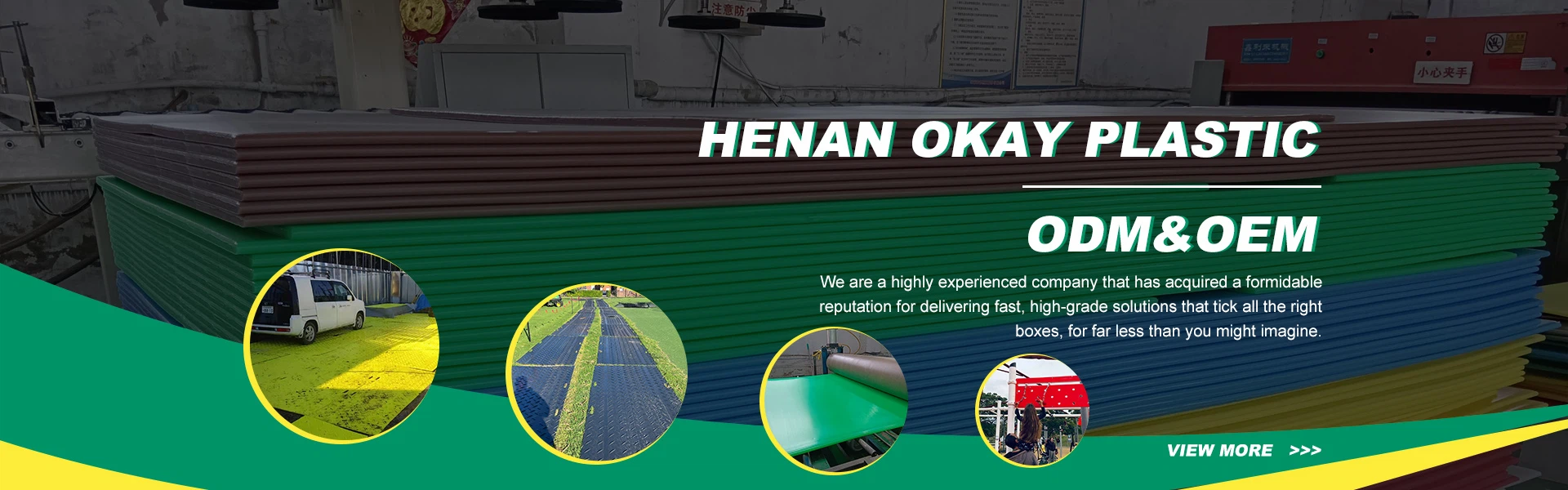
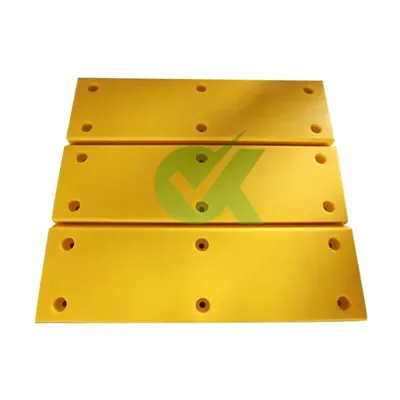
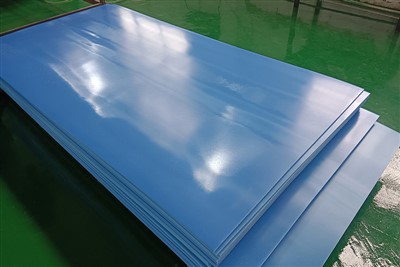
HDPE stands for high density polyethylene. It’s a thermoplastic polymer that is known for being strong, rigid, and dense. Made from petroleum, it’s one of the most versatile plastic materials currently available. More specifically, it is known for offering high impact strength, resistance to chemicals, and low levels of water absorption. HDPE sheets are sold as solid, flat surfaces. However, it can also be molded into specific shapes or even used in injection molding or 3D printing. Since it’s a thermoplastic, exposure to high heat is what allows it to be easily shaped and formed.
Advantages of HDPE Sheet
Resistant to chemicals
Characterized by a high resistance to corrosion, HDPE is an ideal material for manufacturing storage containers for liquids, food and chemical products with varying pH levels. Thanks to this feature, it can maintain its properties when in contact with chemicals, thus remaining safe and effective.
Durable and lightweight
The density of HDPE ranges from 941 kg/m3 to 965 kg/m3 depending on its formulation. For many applications where weight reduction is crucial, the light weight of high-density polyethylene is a decisive advantage.
UV resistant
UV resistance is an essential property that ensures the optimum service life of parts and components that are primarily used outside. Unlike other plastics, HDPE has several UV-resistant formulations.
Does not absorb moisture
Zero moisture absorption is an essential property for materials used for liquid and food storage. For this reason, HDPE is an excellent choice when designing storage tanks and other products intended for outdoor use because it does not absorb moisture even when subjected to prolonged contact with fluids.




Why Choose Us
Our Factory
Our has 100+ employees and 20+ engineers, covering an area of 30,000 square meters7 large-scale.
Our Products
Products include UHMWPE sheets, UHMWPE synthetic ice rink sheets, PE cutting boards, HDPE sheets, leg pads, ground protection pads, plastic belt conveyor rollers, PE accessories, etc.
Production Market
The products are also exported to Europe, America, Southeast Asia, Middle East, Africa and Taiwan, Hong Kong and other countries and.
Quality Assurance
We have strict Quality Control (QC) in order to make sure that all details of products meet customers' requirement.

What Are HDPE Sheet Used For?
HDPE is a food safe material, so it’s commonly used in packaging for food and bottles for beverages. In its sheet form, it is commonly used to create cutting boards or food prep surfaces. It can also be used as storage for other liquids, like tanks for water, oil, and waste. Since HDPE is able to hold up well against impact and friction, it’s also popular in industrial applications, like rails and guides in manufacturing facilities. It’s especially common in factories or processing centers that deal with chemicals or potentially corrosive materials, since HDPE doesn’t break down when exposed to these items. It can also be used in chemical storage and pipes that distribute liquids throughout these facilities. HDPE is also common in marine applications due to its low water absorption and high impact resistance. More specifically, it can be used in rails, trim, and accessories for boats and docks. It holds up well against the outdoor elements and even direct contact with water. These are just a few of the most popular industries and areas that make use of HDPE. However, it can be useful in nearly any application where strength, moisture resistance, and chemical resistance are necessary. The uses outlined above make it clear that this plastic material is incredibly versatile. But that’s not the only thing that HDPE has to offer. Though it has many different benefits, the main qualities that make it stand out for most industry applications include its strength, water and chemical resistance, and malleability.

HDPE Sheet Has a Larger Strength-to-Density Ratio
HDPE has a large strength to density ratio, which basically means that it is resistant to breaking under tension. It’s well suited for holding heavy materials and large amounts of liquids without showing signs of damage or wear. HDPE’s density also means that it isn’t prone to absorbing the materials it holds, which is what makes it so well suited as a container for liquids and for marine applications. In fact, HDPE is resistant to corrosion, mold, mildew, and rotting. This makes it incredibly durable in a wide array of environments. It is also long-lasting, weather-resistant, and virtually impervious to many basic solvents, greases, waxes, and acids. This means that it can be used in containers or prep surfaces that come into direct contact with food and beverages, without absorbing moisture or leaching any chemicals or other materials into the contents. Finally, HDPE is easy to mold and form into specific containers or shapes. It has a high melting point, so HDPE sheets are able to stay rigid unless they’re heated to very high temperatures. However, once the material reaches its melting point, it can be easily molded into just about any shape your operations require. In its sheet form, HDPE is also highly processable, meaning that it can be worked using a variety of fabrication methods like cutting, deep drawing, routing, welding, riveting, milling, and hot and cold forming.

HDPE Sheet Have High Efficiency Ratio
High-Density Polyethylene (HDPE) is notable for its lightweight and elasticity, especially at low temperatures and its high impact resistance. It is not harmed by the products, industrial chemicals, and acids, and it can withstand water temperatures of 100°C. At 50 degrees celsius, the HDPE sheets undergo oxidation as well as polymer molecular breakdown. Also, at normal temperatures, deterioration occurs in the presence of sunlight. The addition of antioxidants before thermal oxidation can minimize or even prevent it. In terms of voltage transmission, this thermoplastic has a low value. Additionally, it has a high dielectric resistance and power losses. HDPE has a high potency ratio, which implies it is not easily broken under compression. HDPE sheets density also implies that it isn’t susceptible to absorb the substances it carries, which is why it’s so well adapted as a receptacle for fluids and maritime uses. HDPE is, in reality, corrosion-resistant, mildew, dampness, and decay. This enables it extremely resilient in a variety of settings. It is also lengthy, climate, and immune to various basic chemicals, lubricates waxes and acids. This implies it can be used in containers or prep surfaces that have actual interactions with snacks and drinks without moisture absorption or seeping chemicals or other elements into the ingredients. Lastly, HDPE is simple to shape and mould into certain bottles or forms. Since it has a sharp melting point, HDPE sheets can remain solid until heated to extremely high degrees. Yet, once the material changes its melting temperature, it may be readily formed into almost any required shape by your activities. HDPE is also highly producible in flat sheets, which implies it may be handled utilizing a range of manufacturing techniques, including chopping, wire drawing, drilling, welding, riveting, machining, and cold and hot forming. Given these features, the pipelines that employ it as the element have a strong benefit over others. lighter in weight.

Types of HDPE Sheet
Following are the few different types of HDPE sheet, each one has different uses and applications. HDPE matte sheet comes with a textured surface which is also known as HDPE Matte sheet. This type of sheet is designed to produce items like cutting boards. HDPE Matte is dependable and corrosive safe. HDPE pipe grade review HDPE plastic highlights enhanced weight and execution than standard HDPE sheeting. The enhanced highlights of pipe review HDPE make it the most prevalent HDPE sheet for open air applications. HDPE color core features a colored HDPE sheet core that allows manufacturers to create signs and letters that expose the interior color. The colored HDPE sheet features same strength and durability as smooth and matte HDPE sheets does. HDPE smooth sheet, this type of HDPE sheet is best to use for those applications which need low friction and good abrasion resistance. It comprises of multiple features which make it versatile for many applications. The most common example of smooth HDPE sheet application is tank linking as it is created effortlessly and includes great elasticity, compound protection, and effects safely.

Physical and Chemical Properties of HDPE Sheet
High-density polyethylene (HDPE) is a highly-versatile petroleum-based thermoplastic polymer and one of the most commonly used materials in manufacturing today. Its molecular structure provides an impressive strength/density ratio and is greatly valued for applications where moisture resistance and cost-effectiveness are desired.There are some possible considerations to be aware of when using HDPE sheets. The main consideration is its melting point. When used in significantly hot climates or industrial applications, HDPE can melt or warp under stress from extreme temperatures. Another consideration is that HDPE is not biodegradable or compostable. Still, it is an efficient sustainable material that can complement a compost site as a secure barrier and protect against mold or insects. If you are looking for a plastic material that can meet your various needs and requirements, you may want to consider HDPE plastic sheet. HDPE stands for High Density Polyethylene, a type of polyethylene that has high strength, high rigidity, high heat resistance, high chemical resistance, and high UV resistance. HDPE plastic sheet is widely used in various industries and applications, such as packaging, construction, automotive, medical, and more. HDPE plastic sheet is a semi-crystalline polymer, which means that it has organized and tightly packed molecular chains. The degree of crystallinity affects many characteristics of the polymer. In the case of HDPE plastic sheet, this results in greater density and greater strength. HDPE plastic sheet has a density of about 0.95 g/cm3, which is higher than other grades of polyethylene, but still lower than many other polymers. This means that HDPE plastic sheet is lightweight but strong, and has excellent impact strength. HDPE plastic sheet can withstand temperatures up to 90°C, which makes it suitable for applications that require heat resistance. HDPE plastic sheet is also resistant to most chemicals, solvents, acids, and bases, which makes it suitable for applications that require chemical resistance. HDPE plastic sheet is also resistant to UV rays, which makes it suitable for outdoor applications that require weather resistance.

Processing and Molding Methods of HDPE Sheet
HDPE plastic sheet can be processed and molded by various methods, such as extrusion, injection molding, blow molding, thermoforming, etc. These methods can create different shapes and sizes of products from HDPE plastic sheet, such as bottles, containers, pipes, films, sheets, etc. Extrusion is a process that involves forcing molten plastic through a die to form a continuous shape. Injection molding is a process that involves injecting molten plastic into a mold cavity to form a discrete shape. Blow molding is a process that involves inflating a hollow plastic tube inside a mold cavity to form a hollow shape. Thermoforming is a process that involves heating a plastic sheet and forming it over a mold or vacuum to form a shape. First of all, HDPE plastic sheet is recyclable and reusable. It can be melted down and reprocessed into new products without losing its quality or properties. This reduces the amount of solid waste generated and disposed of by using HDPE plastic sheet. Second of all, HDPE plastic sheet can replace some heavier or more harmful materials in some applications. For example, HDPE plastic sheet can replace metal or wood in some construction or packaging applications. This reduces the energy consumption and carbon emission associated with producing and transporting these materials. Third of all, HDPE plastic sheet can reduce the environmental impact of some products by extending their lifespan or reducing their leakage or contamination. For example, HDPE plastic sheet can make bottles or containers more durable or more leak-proof than other plastics or materials. This reduces the waste or pollution caused by these products.

Why Are HDPE Sheet Widely Used?
HDPE Sheets, also known as High-Density Polyethylene Sheets, are versatile and durable plastic sheets widely used in various industries. Made from high-density polyethylene, these sheets offer excellent strength, impact resistance, and chemical resistance. They are lightweight yet sturdy, making them suitable for both indoor and outdoor applications. HDPE Sheets have a smooth surface finish, allowing for easy cleaning and maintenance. They are also UV resistant, ensuring long-lasting performance even in harsh weather conditions.These sheets are commonly used in construction, agriculture, packaging, and automotive industries. They can be fabricated into different shapes and sizes, making them ideal for a wide range of applications. In construction, HDPE Sheets are used for wall cladding, roofing, and insulation purposes. They provide excellent insulation properties, reducing energy consumption and enhancing thermal efficiency. In agriculture, these sheets are used for lining ponds, reservoirs, and irrigation channels. They prevent water leakage and ensure efficient water management. In packaging, HDPE Sheets are used for manufacturing containers, bottles, and packaging materials. They offer excellent moisture resistance and protect the contents from external elements. In the automotive industry, these sheets are used for manufacturing vehicle components such as fenders, mud flaps, and interior trim. They provide excellent impact resistance and durability. HDPE Sheets are a reliable and cost-effective solution for various applications. With their exceptional properties and versatility, they have become a popular choice in many industries.

How to Choose the Right HDPE Sheet for Your Project
HDPE sheet comes in different thicknesses depending on the application and the manufacturer. The thickness of HDPE sheet affects its strength, flexibility, and weight. Therefore, you need to choose the right thickness for your project based on your specific needs and preferences.Generally, thicker HDPE sheets are stronger, stiffer, and more resistant to impact and abrasion than thinner ones. However, thicker HDPE sheets are also heavier, more expensive, and harder to cut and shape than thinner ones. Therefore, you need to balance these factors when choosing the right thickness for your project. For example, if you are using HDPE sheet for marine applications, such as boat hulls or decks, you may want to choose a thicker HDPE sheet that can withstand salt water, humidity, and UV light. However, if you are using HDPE sheet for food applications, such as cutting boards or trays, you may want to choose a thinner HDPE sheet that is easy to clean and dishwasher safe. Larger and more complex projects may require thicker HDPE sheets to provide enough support and stability. Higher loads and stresses may require thicker HDPE sheets to prevent deformation and failure. Higher temperatures and harsh environments may require thicker HDPE sheets to resist thermal expansion and contraction and chemical corrosion. Thicker HDPE sheets may offer better appearance and performance than thinner ones depending on your project goals.
Our Factory
HENAN OKAY Plastic Industry Co., Ltd. Is located in the New Industrial Pioneering Park, Tengfei Avenue, Yigou Town, Tangyin County, Anyang City, Henan Province, with superior location, elegant environment and convenient transportation. We are a highly experienced company that has acquired a formidable reputation for delivering fast, high-grade solutions that tick all the right boxes, for far less than you might imagine. We know that cost is always a priority for our customers, which is why we do everything we can to keep prices low without compromising on the quality of plastic HDPE/ UHMWPE sheets or other accessories that you receive. In addition to offering a good selection of factory-made plastic sheets in a good selection of sizes, we also give our customers the opportunity to benefit from custom sizes and specifications if required.


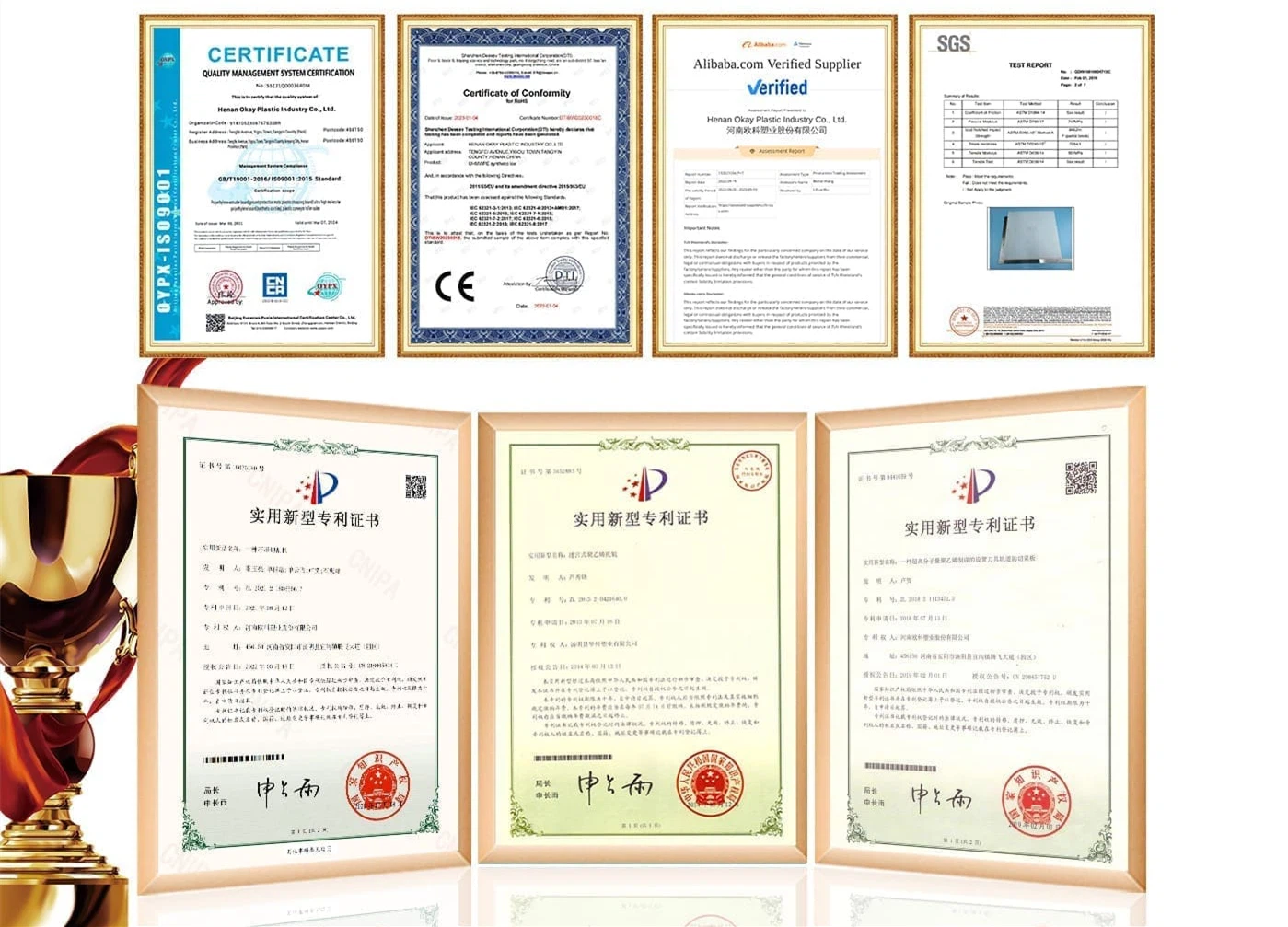
Our Certificates
FAQ
Q: What is HDPE?
Q: What are the properties of HDPE sheets?
Q: What are the common uses of HDPE sheets?
Q: Are HDPE sheets fire resistant?
Q: How do I choose the right type of HDPE sheet for my project?
Q: Can HDPE sheets be used in food applications?
Q: How do I clean and maintain HDPE sheets?
Q: What is the maximum load capacity of HDPE sheets?
Q: Can HDPE sheets be welded?
Q: What are the advantages of using HDPE sheets over other materials?
Q: How should HDPE sheets be stored?
Q: What is the lifespan of HDPE sheets?
Q: Are HDPE sheets UV resistant?
Q: Can HDPE sheets be joined together?
Q: How do I dispose of used HDPE sheets responsibly?
Q: Can HDPE sheets be painted?
Q: What are the dimensions of standard HDPE sheets?
Q: Is it possible to cut HDPE sheets?
Q: What is the tensile strength of HDPE?
Q: Are there different types of HDPE sheets?
As one of the most professional HDPE sheet manufacturers in China, we're featured by quality products and competitive price. Please rest assured to wholesale HDPE sheet for sale here from our factory. Contact us for customized service.
hdpe molded sheet, hdpe adapting sheet, hdpe bonded sheet