What is the difference between HDPE and PVC sheets?
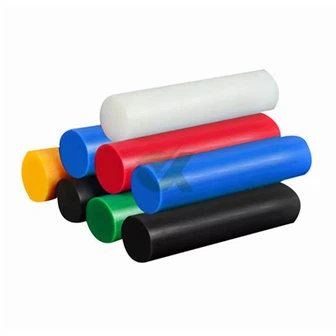
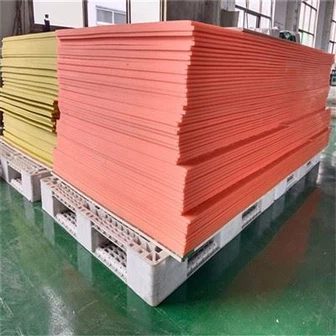
HDPE is a thermoplastic polymer with enhanced toughness, superior impact resistance, and strong chemical resistance, making it suitable for applications requiring abrasion resistance, moisture resistance, and corrosion resistance. PVC, on the other hand, offers greater rigidity, excellent aging resistance, good flame retardancy, and superior formability, commonly used in structural components, decorative applications, and electrical insulation. The choice between these materials hinges on the intended use, environmental conditions, and cost considerations.
Materials and Chemical Properties
- HDPE (High-Density Polyethylene): Features a dense molecular structure with high toughness. Resistant to most acids, alkalis, and organic solvents. Non-absorbent with strong resistance to stress cracking. Exhibits excellent low-temperature performance, though standard HDPE strength decreases at elevated temperatures.
- PVC (Polyvinyl Chloride): Exhibits high rigidity (rigid PVC), good weather resistance, and flame retardancy. Hardness can be adjusted using plasticizers. Relatively weak resistance to strong oxidizing agents (e.g., concentrated nitric acid) and certain organic solvents.
Mechanical Properties and Durability
- Impact Resistance and Wear Resistance: HDPE outperforms PVC, demonstrating superior durability in scenarios involving repeated impacts or sliding wear (e.g., conveyor systems, slide rails).
- Rigidity and Strength: Rigid PVC offers greater rigidity, making it suitable for load-bearing applications or structural components requiring precise dimensional stability.
- Temperature Range: PVC maintains dimensional stability at moderate to low temperatures but softens at high temperatures; HDPE performs better in low-temperature environments but has limited high-temperature tolerance.
Processing and Installation
- Cutting and Welding: HDPE is easily thermally welded (hot plate, fusion welding), making it suitable for seamless connections; PVC can be thermoformed, with mature injection molding and extrusion processes.
- Machining: Both materials can be sawed, drilled, and milled. However, HDPE exhibits greater elasticity, often producing burrs during cutting, necessitating adjustments to cutting tools and feed rates.
- Surface Treatment: PVC surfaces are more readily printed on and bonded; HDPE surfaces are inert and typically require sanding or special treatment prior to bonding.
Environmental and Safety Considerations
- Weather Resistance/UV Resistance: Both conventional PVC and HDPE can enhance outdoor performance through the addition of UV stabilizers. Black HDPE inherently exhibits superior UV resistance, making it suitable for prolonged outdoor exposure.
- Sanitation and Food Grade: Food-grade HDPE is commonly used in food contact applications (cutting boards, conveyor liners). PVC containing plasticizers requires verification of compliance with food-grade standards.
- Flame Retardancy: PVC exhibits superior self-extinguishing properties compared to standard HDPE, making it more suitable for projects with explicit flame retardancy requirements.
Application Comparison
HDPE
Chute/hopper liners, conveyor belt liners, marine/dock components, chemical-resistant linings, low-temperature applications.
PVC
Building decorative panels, partitions, electrical conduits and insulation fittings, structural components requiring high rigidity, applications with flame-retardant requirements.
Request HDPE Sheet Pricing and Samples
If you're comparing HDPE and PVC, or unsure which specification best suits your project, feel free to contact us directly.
We can recommend suitable HDPE sheet solutions based on your application environment, thickness requirements, dimensions, and quantity, and provide quotations and sample support.