

HDPE Road Mat for Temporary Access Routes
HDPE road mat for temporary access routes, construction paths and equipment movement. Share route length, road width, mat size, thickness, equipment type, ground condition and destination for quotation.
HDPE Road Mat Quote Checklist
- route length, road width, mat size, thickness, equipment type, ground condition
- Drawing, layout, sample photo or size list if available
- Color, surface, tolerance or connector requirement when relevant
- Quantity, destination country and delivery schedule
Common Questions About HDPE Road Mat
What information is needed for quotation?
Please send route length, road width, mat size, thickness, equipment type, ground condition, quantity and destination.
Can the product be customized?
Size, thickness, color, surface and machining requirements can be reviewed from drawings, samples or application details.
How should the specification be selected?
Specification should be reviewed according to application, working condition, installation method and project schedule.
HDPE Road Mat for Temporary Access Routes
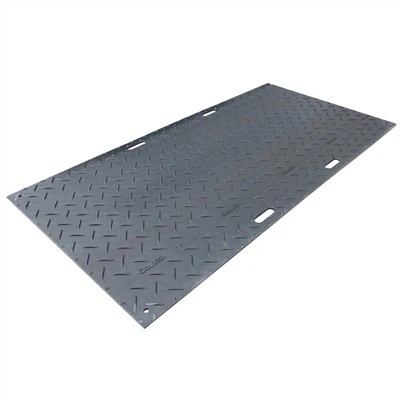
Okay Plastic supplies HDPE road mat for temporary access roads, construction routes, event access, landscaping work and equipment movement over soft or protected ground. The mat can be planned according to route length, road width, equipment type and site ground condition.
For quotation, please send route length, road width, mat size, thickness, vehicle or equipment type, ground condition, connector requirement, quantity and destination. Site photos or layout drawings help confirm mat quantity, connection plan and shipping volume.
- Event Grounds Setup: An outdoor music festival required temporary pathways and parking areas to accommodate thousands of attendees. HDPE Road Mats provided a sturdy surface for pedestrian and vehicle traffic, preventing soil compaction and enhancing safety for festival-goers.
- Pipeline Maintenance: During a pipeline maintenance operation, HDPE Road Mats were used to protect environmentally sensitive areas and prevent damage to underground infrastructure. This proactive approach minimized environmental impact and reduced restoration costs.