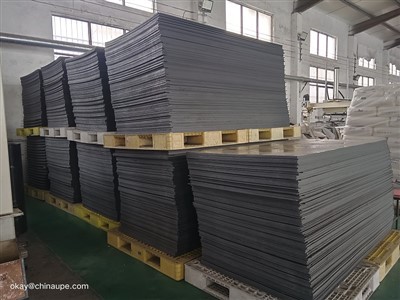
HDPE Ground Protection Mats for Construction Access
HDPE ground protection mats for construction access, temporary roadways and equipment routes. Send mat size, thickness, ground condition, vehicle or equipment type, connector requirement, quantity and destination for quotation.
HDPE Ground Protection Mats Quote Checklist
- mat size, thickness, ground condition, vehicle or equipment type, route layout, connector requirement
- Drawing, layout, sample photo or size list if available
- Color, surface, tolerance or connector requirement when relevant
- Quantity, destination country and delivery schedule
Common Questions About HDPE Ground Protection Mats
What information is needed for quotation?
Please send mat size, thickness, ground condition, vehicle or equipment type, route layout, connector requirement, quantity and destination.
Can the product be customized?
Size, thickness, color, surface and machining requirements can be reviewed from drawings, samples or application details.
How should the specification be selected?
Specification should be reviewed according to application, working condition, installation method and project schedule.
Products Description

HDPE ground protection mats are made from high-molecular polyethylene extruded at high temperatures. Their density is only 1/5-1/7 that of steel. Yet, they can withstand tens of tons of pressure per square meter. They are also highly environmentally friendly and resistant to UV damage. They remain stable in extreme temperatures ranging from -70°C to 100°C and are resistant to acid, alkali, and salt corrosion, making them suitable for use in harsh environments such as chemical plants and seaside areas. Ground protection mats not only provide temporary access for vehicles and pedestrians but also protect the ground. They can be laid on grass, dirt, concrete, asphalt, and other surfaces, supporting the weight of vehicles, forklifts, excavators, trucks, cranes, and other machinery.
video
Product Application


Product Function
Load Distributor
The primary function of ground protection mats is to distribute the concentrated weight of heavy equipment and vehicles over a larger contact area, significantly reducing ground pressure per unit area and thus preventing permanent damage such as indentations, dents, and cracks. They effectively protect both soft and hard surfaces, such as lawns, concrete, and wetlands.
Ensuring Access
On soft surfaces like mud, swamps, and beaches, the protection mats provide a stable support surface, preventing equipment or vehicles from sinking. Furthermore, their anti-slip texture increases friction in slippery conditions, reducing the risk of equipment slipping and rolling over, ensuring safe passage for vehicles and personnel in complex terrain and ensuring construction safety.
Building Temporary Access
The protection mats, with their modular design, can be quickly assembled into temporary roads, work platforms, and sidewalks. In construction sites, mines, oil fields, and other locations, they can quickly create temporary access paths, preventing equipment from repeatedly rubbing against the original surface. In emergency situations, they can serve as emergency access paths, allowing rescue vehicles and personnel to quickly reach the scene.
Improved Work Efficiency
Compared to traditional floor protection materials like steel and wood, HDPE matting is lightweight, easy to handle, and quick to assemble, requiring no complex tools. This significantly reduces installation and removal time and labor costs. Furthermore, its durability and reusability reduce the frequency of material replacement, making it more economical and environmentally friendly.
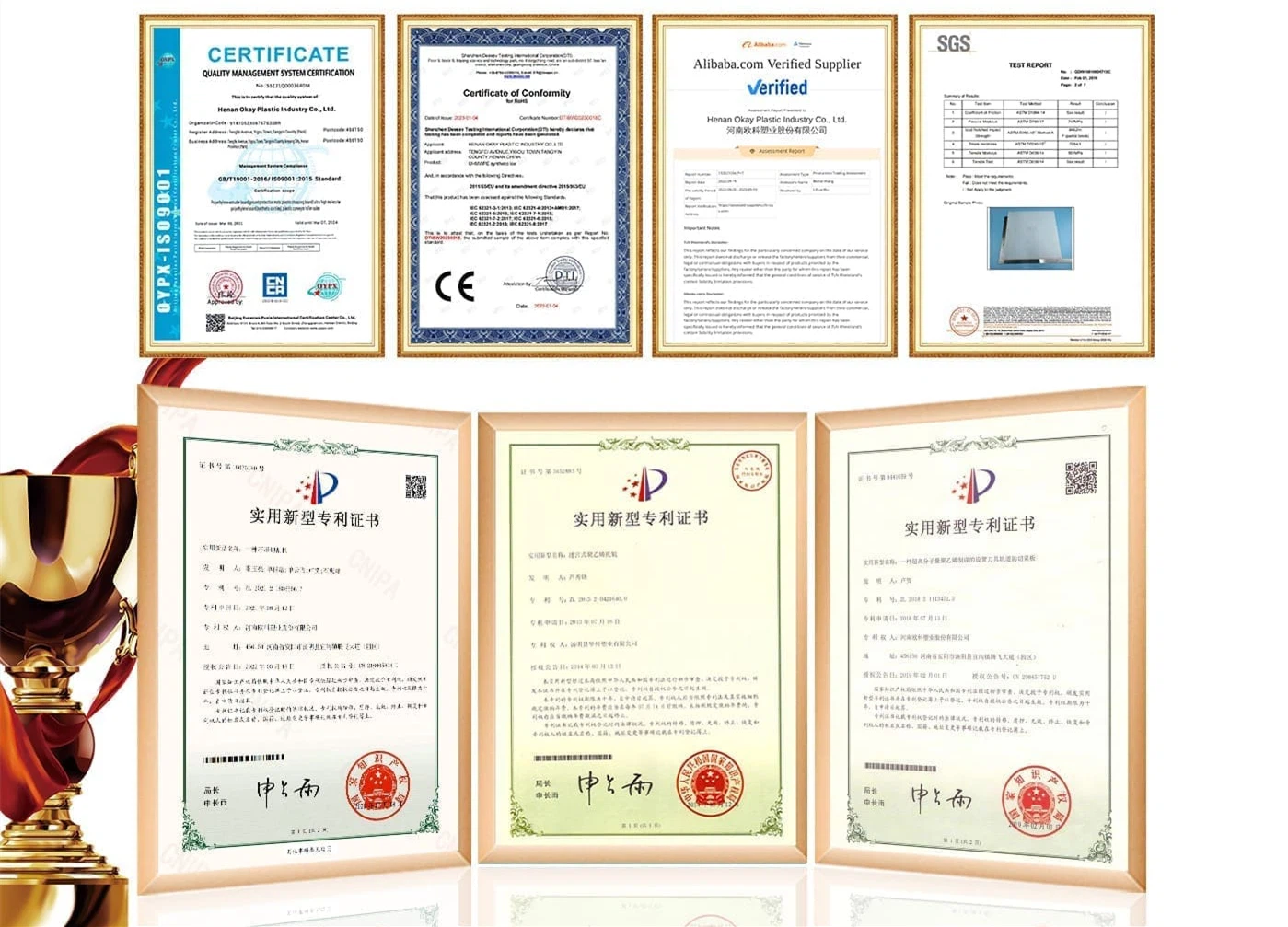
Our Certificates
FAQ
Q: What are the benefits of using ground protection mats?
A: Using ground protection mats reduces the risk of soil erosion, compaction, and damage to vegetation. They also provide a stable surface for vehicles and machinery to operate on, reducing the risk of accidents.
Q: How are ground protection mats installed?
A: Ground protection mats are typically laid flat on the ground and secured in place using stakes, weights, or straps. The exact installation method will depend on the specific type of mat and the underlying terrain.
Q: Can ground protection mats be reused?
A: Yes, ground protection mats can be reused multiple times. After use, they should be cleaned and stored properly to ensure they are ready for future use.
Q: How long do ground protection mats last?
A: The lifespan of ground protection mats will depend on the material they are made from and the conditions they are used in. Rubber and plastic mats typically last for several years, while aluminum and steel mats can last even longer.
Q: Are ground protection mats environmentally friendly?
A: Many ground protection mats are made from recycled materials and can be recycled again at the end of their useful life. They also help to reduce soil erosion and protect natural habitats, making them an environmentally friendly choice.
Prepare a faster Ground Protection Mat quotation
For project review, please include: mat size, thickness, ground condition, vehicle or equipment type, route layout, connector requirement, quantity and destination. These details help confirm material suitability, processing needs and quote requirements.
HDPE Ground Protection Mats FAQ
What information helps quote HDPE ground protection mats?
Please provide mat size, thickness, quantity, vehicle type, route layout, ground condition, connector requirement, color and destination.
Which projects use HDPE ground protection mats?
They are used for construction access, temporary roads, landscaping, outdoor events, utility work and equipment movement over soft ground.
Can mats be packed for bulk orders?
Packing method, pallet quantity and delivery schedule can be reviewed when mat size, quantity and destination port are confirmed.
Related pages: HDPE ground protection mat, heavy duty ground protection mats and plastic ground protection track mats.
HDPE Ground Protection Mats Supplier Quote Notes
What should buyers send for HDPE ground mat pricing?
Please provide mat size, thickness, surface pattern, connector type, equipment type, site condition, access route width, route length, quantity and destination.
Which ground protection projects can be reviewed?
The mats can be reviewed for temporary construction roads, grass protection, utility access, truck routes, event access, crane movement paths and muddy work areas.
How can a supplier estimate quantity and packing?
Route drawings, site photos, ground condition, turning radius, equipment movement plan, reuse plan, packing method and shipping destination help review the mat quantity and loading plan.
Related product routes: HDPE ground protection mat, heavy duty ground protection mats and temporary roadway mat.