


HDPE (High-Density Polyethylene) rods are widely used in various industries due to their excellent properties such as high strength, chemical resistance, and low friction. However, like any other material, HDPE rods can get damaged over time. As a reliable HDPE rod supplier, I understand the importance of knowing how to repair a damaged HDPE rod. In this blog, I'll share some effective methods to help you restore your HDPE rods to their optimal condition.
Understanding the Damage
Before you start the repair process, it's crucial to assess the extent and type of damage. Minor scratches, cuts, or small holes can often be repaired easily, while more severe damage like large fractures or significant deformation may require more advanced techniques or even replacement.
Tools and Materials Needed
- HDPE Welding Kit: This includes a welding gun, welding rods made of HDPE, and a temperature control device. The welding gun melts the HDPE material, allowing you to join or repair the damaged parts.
- Sandpaper: Different grits of sandpaper are used for smoothing the surface of the HDPE rod before and after the repair. Coarse grit sandpaper (around 80 - 120 grit) is used for initial rough sanding, while fine grit sandpaper (220 - 400 grit) is used for a smooth finish.
- Cleaning Solvent: A mild cleaning solvent, such as isopropyl alcohol, is used to clean the damaged area and remove any dirt, grease, or debris.
- Clamps: These are used to hold the parts together during the welding or bonding process, ensuring a proper fit and alignment.
- Measuring Tools: A ruler or caliper can be used to measure the dimensions of the damaged area and ensure accurate repairs.
Repairing Minor Scratches and Cuts
- Clean the Area: First, use a clean cloth soaked in isopropyl alcohol to clean the scratched or cut area. This removes any contaminants that could affect the repair process.
- Sand the Surface: Use coarse grit sandpaper to gently sand the damaged area. This helps to create a rough surface, which improves the adhesion of any filler or welding material.
- Apply HDPE Filler (Optional): For minor scratches, you can use a HDPE filler. Apply the filler to the scratched area using a putty knife, following the manufacturer's instructions. Smooth the filler to match the surrounding surface.
- Sand and Polish: After the filler has dried, use fine grit sandpaper to sand the area until it is smooth. You can then polish the surface using a plastic polish to restore its shine.
Repairing Small Holes
- Prepare the Area: Clean the area around the hole with isopropyl alcohol and sand the edges of the hole to create a rough surface.
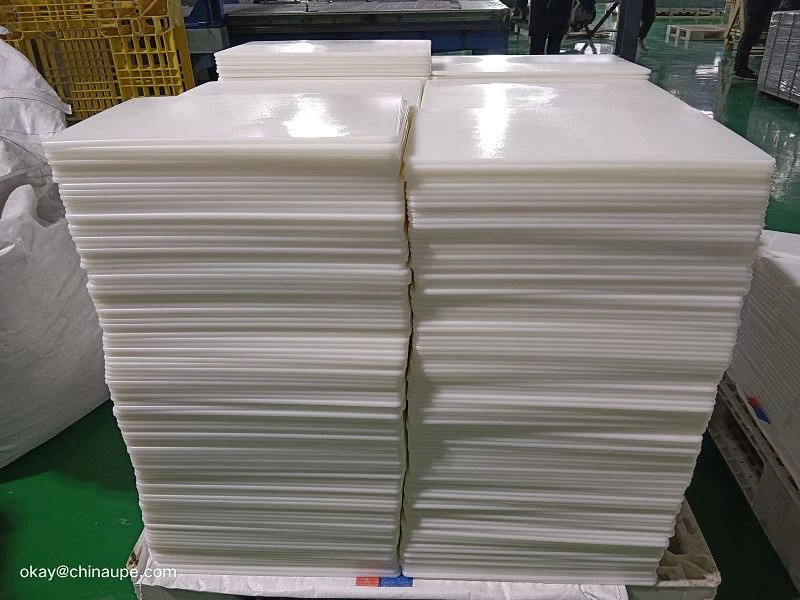
- Cut a HDPE Patch: Cut a piece of HDPE material that is slightly larger than the hole. You can use a scrap piece of HDPE rod or a Black HDPE Sheet or White HDPE Sheet if available.
- Weld the Patch: Use a HDPE welding kit to weld the patch over the hole. Heat the edges of the hole and the patch using the welding gun, and then press the patch firmly onto the hole. Use clamps to hold the patch in place until the weld cools and solidifies.
- Finish the Repair: Once the weld has cooled, use sandpaper to smooth the surface of the patch and blend it with the surrounding rod.
Repairing Fractures
- Align the Fractured Parts: Carefully align the two fractured parts of the HDPE rod. Use clamps to hold them in place, ensuring a tight fit.
- Weld the Fracture: Using a HDPE welding kit, heat the edges of the fracture and the welding rod. Apply the molten welding rod to the fracture, filling the gap between the two parts. Move the welding gun along the fracture, continuously adding welding material until the joint is strong.
- Cool and Inspect: Allow the welded joint to cool completely. Inspect the joint for any gaps or weak spots. If necessary, apply additional welding material to reinforce the joint.
- Finish the Repair: After the joint has cooled and been inspected, use sandpaper to smooth the surface of the joint and make it flush with the rest of the rod.
Tips for Successful Repairs
- Work in a Well-Ventilated Area: When using a HDPE welding kit, the fumes can be harmful. Make sure you work in a well-ventilated area or use a respirator.
- Follow the Manufacturer's Instructions: Always follow the instructions provided with your HDPE welding kit and other repair materials.
- Test the Repair: Before putting the repaired HDPE rod back into use, perform a simple test to ensure the repair is strong enough. For example, if the rod is used in a mechanical application, apply a small amount of stress to the repaired area to check its integrity.
Conclusion
Repairing a damaged HDPE rod is a cost-effective way to extend its lifespan and avoid the need for immediate replacement. By following the steps outlined in this blog, you can effectively repair minor scratches, cuts, holes, and fractures in your HDPE rods. As a HDPE rod supplier, I'm committed to providing high-quality products and sharing valuable knowledge with our customers. If you have any questions about HDPE rods or need assistance with repairs, feel free to reach out to us. We're here to help you make the most of your HDPE products. Whether you're looking for a High Density Plastic Sheet or a specific HDPE rod, we can offer you the suitable solutions. Contact us to discuss your procurement needs and let's work together to find the suitable HDPE products for your applications.

References
- "Plastic Materials and Their Properties" by Brian Ellis
- Manufacturer's manuals for HDPE welding kits and related repair materials
Need help matching this material to your project?
Send your project size, thickness, working environment and expected quantity. OKAY Plastics can help review suitable material options, processing details and quote requirements for industrial use.
Related product pages for quotation review
- HDPE rod for rod diameter, length, drawing, application environment, quantity and destination review
- Custom industrial HDPE sheet for cutting, machining and replacement material comparison
- Industrial HDPE sheet for wear area and fabrication requirement reference
- Send HDPE rod drawing, diameter, destination and estimated quantity for quotation


